Decode the Hidden Meanings of Ancient Runes
Explore the complete world of Norse runes, Elder Futhark symbols, Viking runestones, and rune meanings. Learn the history, symbolism, mythology, and interpretation of every rune through beginner-friendly guides and interactive rune tools.
Discover the Ancient Language of the Vikings
I created Rune Meaning Guide to make runic knowledge accessible to everyone, from complete beginners to dedicated Norse history enthusiasts.
After years of researching Viking history, runestones, Norse mythology, and Elder Futhark symbolism, I realized most rune websites either oversimplify the subject or bury readers in academic jargon.
Latest Posts
RUNE
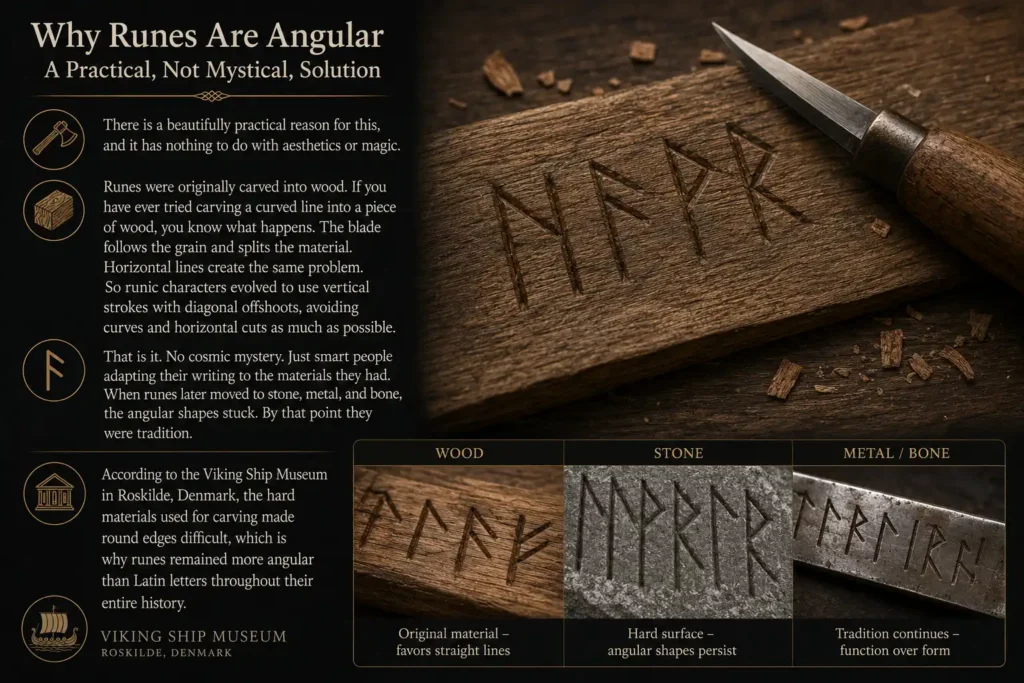
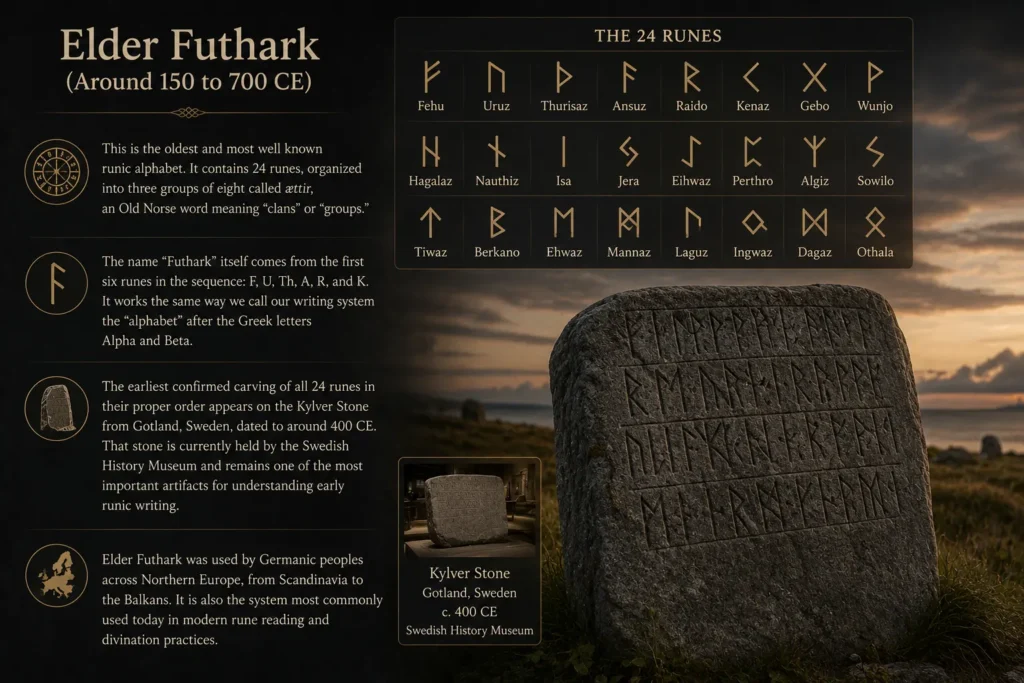
Runes are the letters of ancient Germanic writing systems used throughout Northern Europe before the widespread adoption of the Latin alphabet. They were carved into wood, stone, bone, and metal for communication, memorial inscriptions, and cultural traditions.
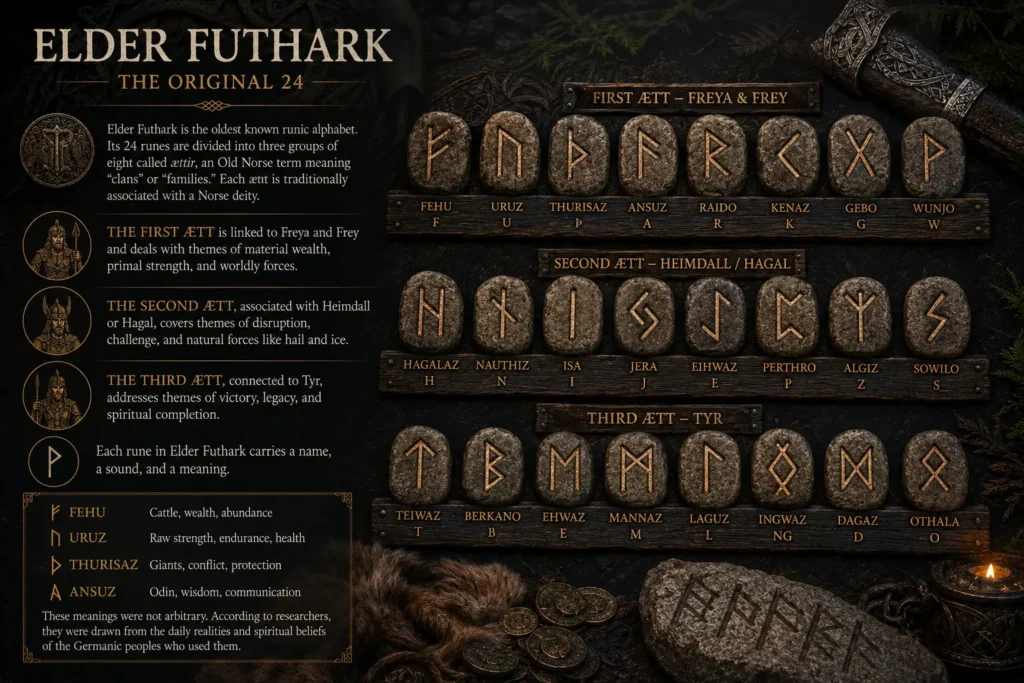
Each rune has a phonetic value and a symbolic meaning. For example, Fehu represents wealth and prosperity, Uruz symbolizes strength and vitality, and Ansuz is associated with wisdom, communication, and Odin.
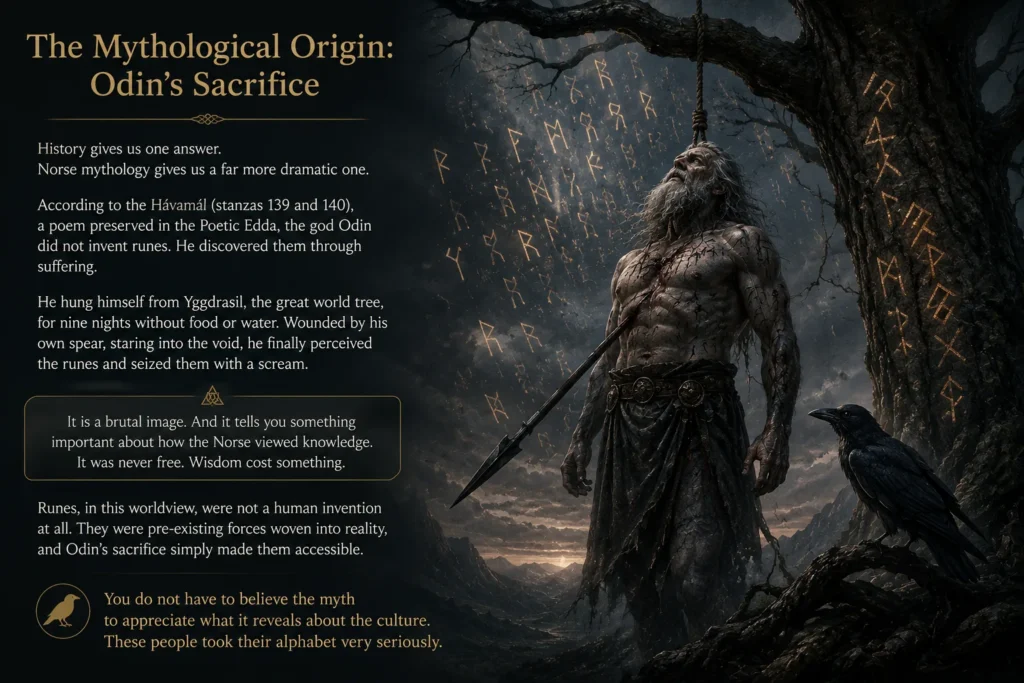
Historically, scholars believe runes evolved from ancient Italic alphabets. In Norse mythology, however, the god Odin discovered the runes after sacrificing himself on Yggdrasil, the World Tree.
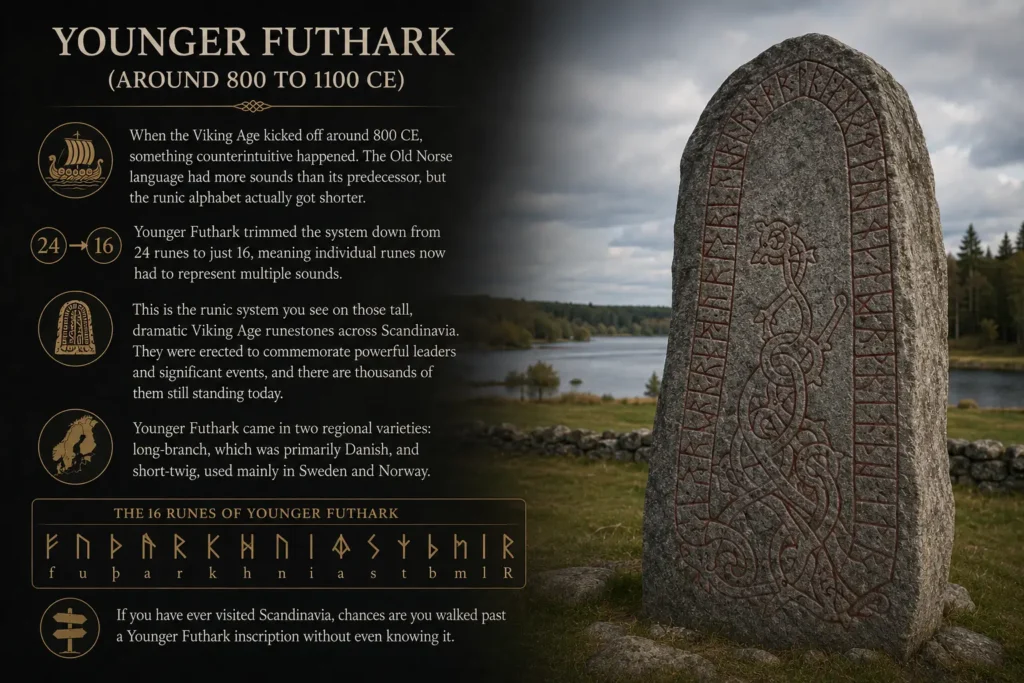
Yes. Vikings used Younger Futhark runes for memorial stones, ownership marks, trade, communication, and religious inscriptions throughout Scandinavia.
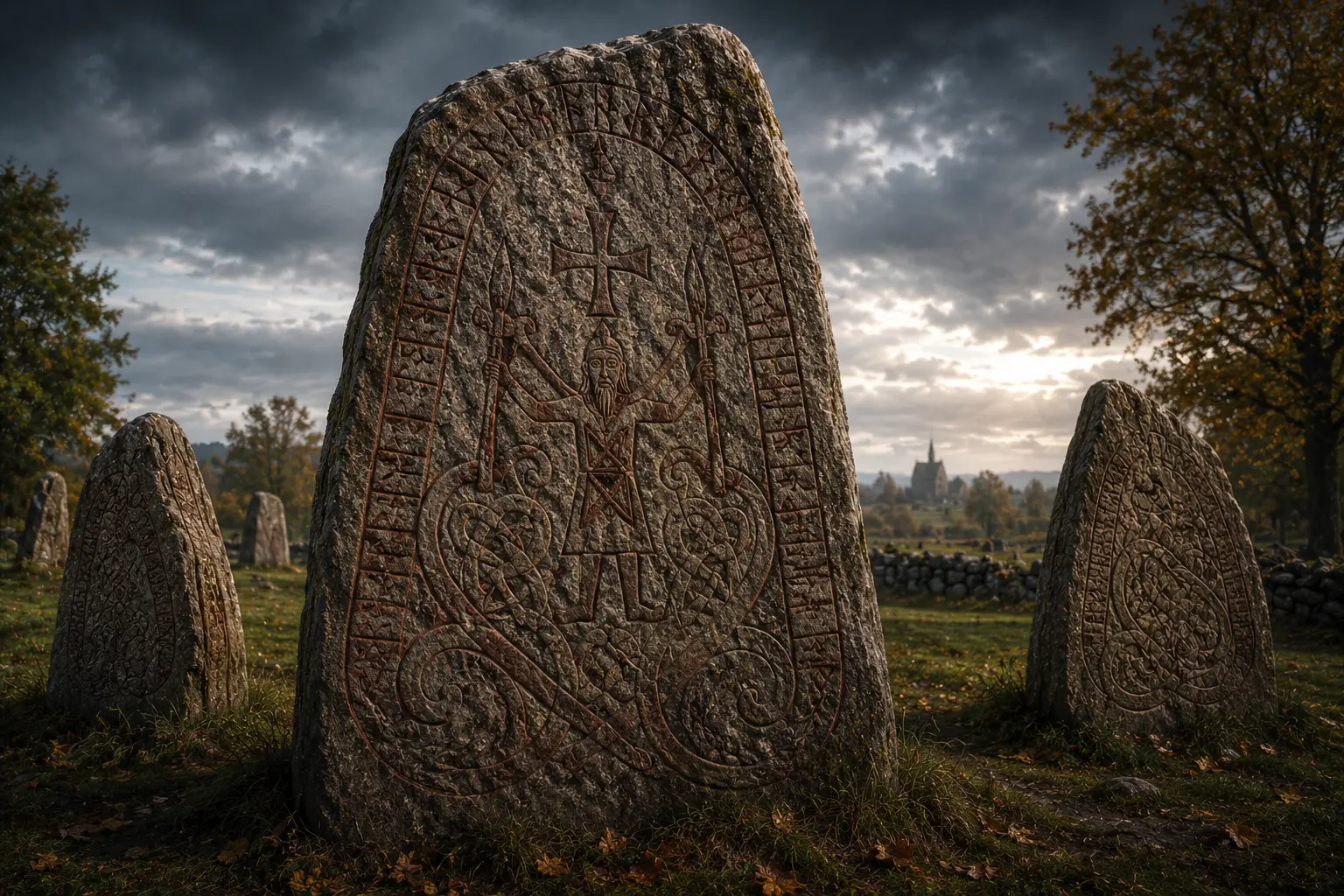
Runestones are large stones carved with runic inscriptions. They were often erected to honor the dead, commemorate achievements, record historical events, or mark important locations.
Different traditions interpret runes differently. Commonly referenced runes include Algiz for protection, Tiwaz for victory and courage, and Ansuz for wisdom and divine inspiration.
Many modern practitioners use runes for personal reflection and divination. Historically, runes were primarily a writing system, though some evidence suggests symbolic and ritual uses.
Yes. Runes are studied by historians, archaeologists, Norse mythology enthusiasts, and people interested in ancient symbolism and Viking culture.